Historically, concussions were thought to be short-term injuries, but it has become increasingly more evident that the real damage may take 15 or 20 years before its full impact is known. Many former NFL football players are now showing signs of permanent brain damage (chronic traumatic encephalopathy) as a result of multiple concussions. Some are left with physical, emotional, or mental disabilities, while others are so disabled that they become suicidal. In light of this new evidence, what was once a few weeks off from practice and games has now become a possible career-ending injury.

Unfortunately, it has been shown that whiplash injuries can have a similar effect. Initially thought to be just a minor soft tissue injury, it has now been shown that for many people the real damage may not show up for decades after the initial trauma. Some people may be sore for a few days or weeks after experiencing a whiplash injury and then feel as though they’ve completely recovered.

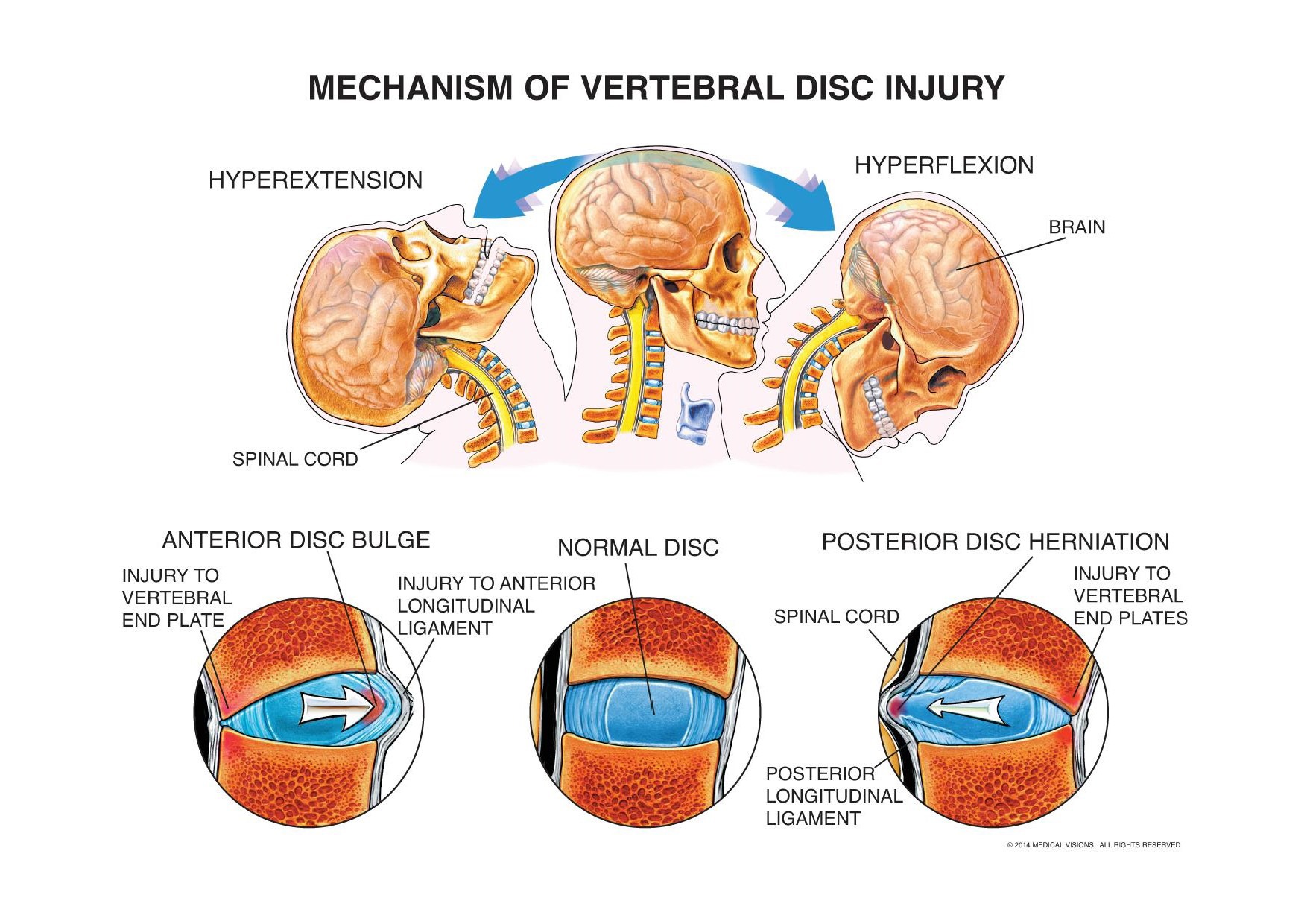
When years or decades later they experience symptoms, the patient may not recognize that the two are connected. These symptoms can appear as chronic neck pain, weakness, headaches, migraines, fibromyalgia, bulging or ruptured discs, TMJ, dizziness, ringing in the ears, premature arthritis, PTSD… the list goes on and on. Even more confusing is the fact that the time between the initial injury and the onset of debilitating symptoms is often so long that the patient doesn’t even realize that the two are directly related.


Common Factors Potentially Complicating Whiplash Injuries

  • Advanced age
  • Previous spinal injury, whiplash or fracture
  • Degenerative disc disease
  • Disc bulge or herniation
  • Osteo or rheumatoid arthritis
  • Scoliosis
  • Prior spinal surgery
  • Osteoporosis
  • Spinal stenosis or narrowing

Currently, the standard protocol for concussions is to be evaluated and treated immediately, and the same is true with even the mildest of whiplash injuries.

How your injury is treated can determine whether you heal properly or risk a life-long disability.

Patients who are treated through more traditional channels are frequently prescribed medications and may undergo some physical therapy. If these treatments fail, the patient may be sent to a pain clinic for a series of injections to manage the pain. Unfortunately, surgery is often their last resort.

Upper Cervical Care is a specialty within chiropractic that focuses on the upper neck and more importantly, the brain stem area.

Mild trauma, such as whiplash or concussions, can cause an atlas subluxation (neck misalignment) that will often go undetected to the untrained eye. It is this type of injury that can lead to years of unnecessary pain and suffering.

Healthy Living

6 Videos
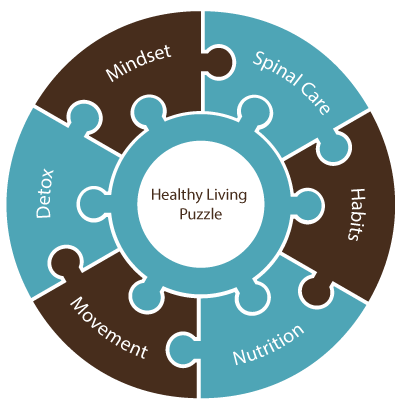
THE SIX MAJOR PIECES OF THE

Healthy Living Puzzle

When all six pieces fit together, your body is free to function, adapt, and thrive the way it was designed to.