The lower jaw hinges at the temporomandibular joints (TMJ), located in front of each ear. These most complicated joints in the body allow the lower jaw to open, close, rotate and slide. The TMJs are used over 5,000 times each day when we chew, swallow, yawn, smile, laugh, eat, and speak. The top row of teeth actually hinge when the skull rocks up and down on the top vertebrae in the neck.
Movement of the left and right TMJs must be coordinated, working at the same time for the jaw to move properly. This movement is orchestrated by a complex set of muscles that are directly controlled by the body’s nervous system, specifically branches of the trigeminal nerve, which is one of the most complex and powerful nerves in the body. It feeds sensation and function to one’s jaw, face, tongue, sinus, palate, eyes, teeth, and lips. Since the trigeminal nerve feeds the jaw, it is closely associated with the function of the TMJ and is critical in the development of TMJ pain.
There is a delicate working relationship between the TMJ, the muscles that move the jaw, and the nerves that control these muscles. Therefore, healthy function of the TMJ system requires normal structure and function of both the temporomandibular joints and the trigeminal nerve.

One of the primary causes of TMJ pain and disorders is damage to the joint itself. Direct or indirect trauma can affect the TMJ and clearly cause pain and dysfunction. Motor vehicle accidents, sports injuries, and dental work have been shown to trigger TMJ disorders, but even subtle, repeated traumas like clenching the teeth, excessive gum chewing, nail biting, or cradling a phone between your shoulder and the side of your head can cause TMJ pain. One of the most commonly overlooked causes of TMJ pain is trauma to the upper neck and nervous system.
TMJ dysfunction occurs when the joint is misaligned or malfunctions. Over time, this abnormal wear and tear can cause irritation, inflammation, and eventually arthritis within the joint itself, all leading to TMJ dysfunction. The symptoms of TMJ dysfunction can appear suddenly after a trauma, or they may take years to develop.
The most common misperception about Upper Cervical care is that it only helps back and neck pain. Although our doctors can certainly help those who come to us seeking relief from back and neck pain, we help patients suffering from a variety of conditions, including TMJ dysfunction. Healthy Living Spinal Care has helped thousands of patients restore their health through Upper Cervical Spinal Care.
Because of the close relationship between the TMJ and the cervical spine, patients should be examined by an Upper Cervical doctor. The longer a person has the problem, the more damage can be done to both the jaw and the neck.
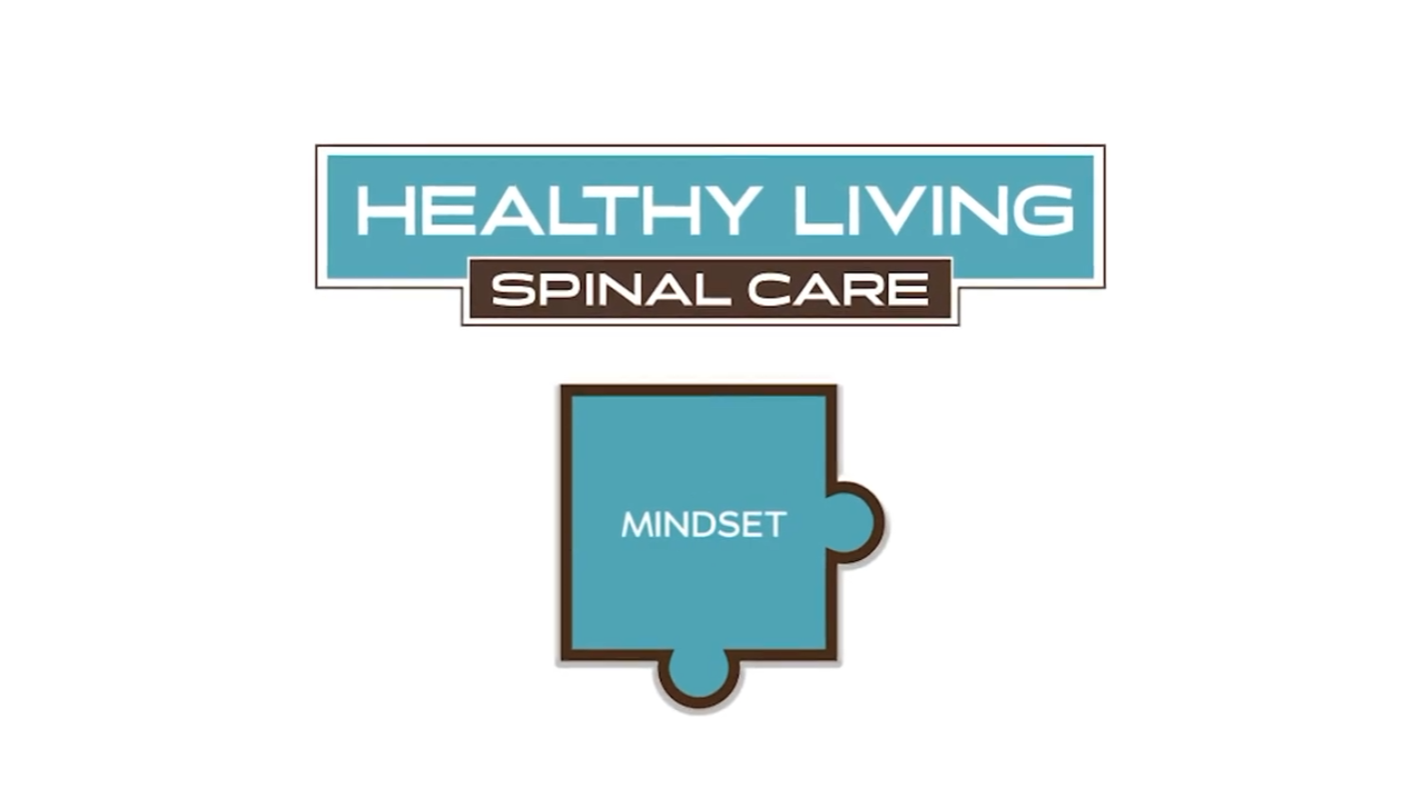
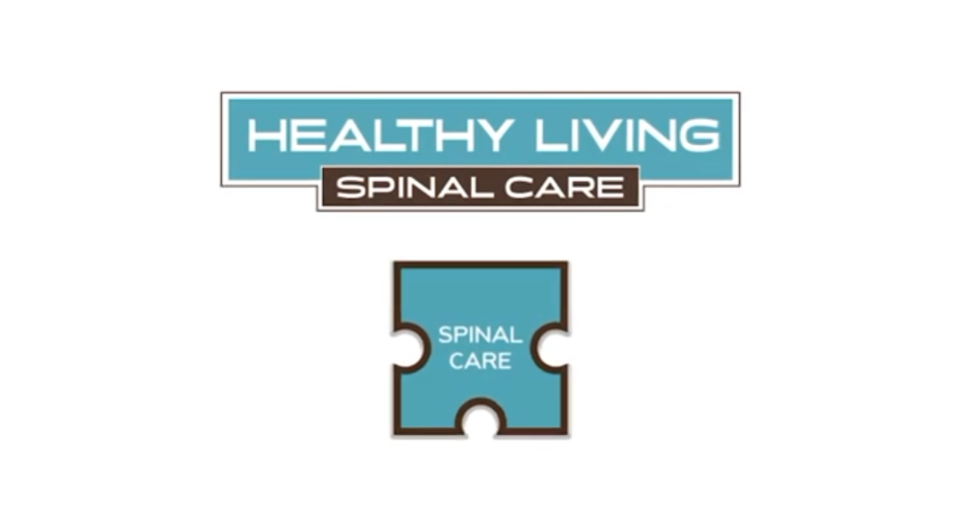
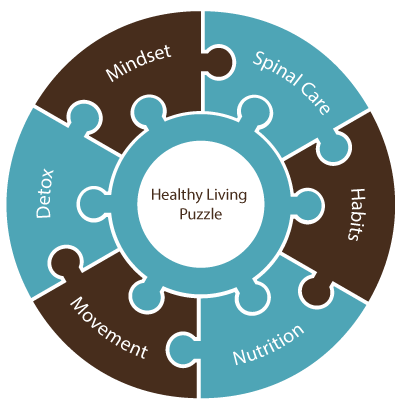
When all six pieces fit together, your body is free to function, adapt, and thrive the way it was designed to.
We help you develop a positive mindset and the beliefs you need to create lasting change in your life.
We help restore proper communication between your brain and body through Upper Cervical Care.
Healthy habits create long-term results. Small daily actions can have a powerful impact on your health.
Good nutrition provides the foundation your body needs to function, heal, and thrive.
Movement is essential for improving strength, flexibility, circulation, and overall health.