Sleep Disorders

At least 40 million Americans suffer from chronic sleep disorders, and an additional 20 million experience occasional sleep problems.

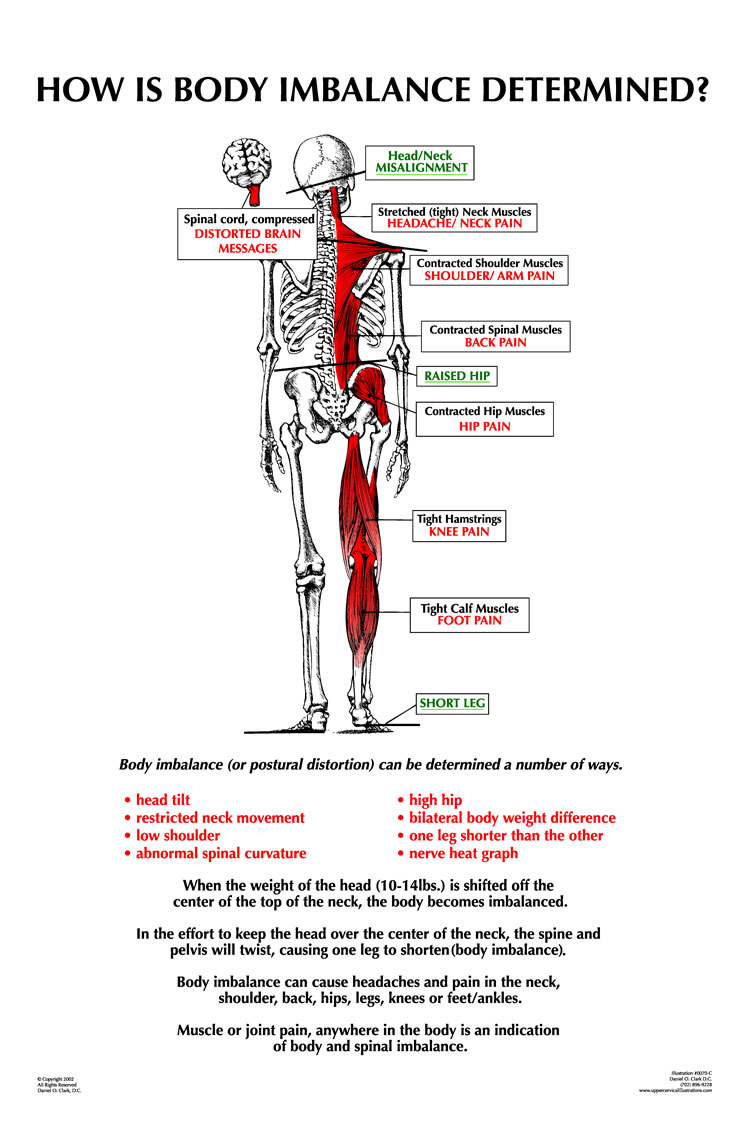
Many Americans struggle through episodes of sleep disorders on their own, while others turn to over-the-counter drugs, prescription drugs, or sleeping devices for help. However, a growing number of people with sleep disorders are being helped by Upper Cervical care without the potential unpleasant, sometimes dangerous, side effects of traditional treatments.


Of the 70 known sleep disorders, the most common are:

  • Insomnia, the most prevalent of the sleep disorders, is characterized by either an inability to fall asleep and/or waking up during the night and having difficulty going back to sleep.
  • Obstructive sleep apnea (OSA) is a potentially life-threatening disorder in which breathing is interrupted during sleep. An estimated 12 million Americans have OSA.
  • Restless legs syndrome (RLS) is a neurological movement disorder that is often associated with unpleasant leg sensations and an almost irresistible urge to move the legs.
  • Narcolepsy is a chronic disorder characterized by excessive and overwhelming daytime sleepiness, even after adequate nighttime sleep. Daytime sleep attacks may occur with or without warning and may be uncontrollable.

Sleep & Overall Health

Although we spend about one third of our lives asleep, most of us know little about the importance of sleep. Even scientists are just beginning to fully understand the function of sleep, but they do agree that sleep is absolutely essential, not only for physical and mental health, but for our very survival.

How Sleep Affects Regular Function

Loss of sleep creates an overwhelming and sometimes uncontrollable need to sleep and affects nearly all physiological functions. Sleepiness is associated with difficulty in concentrating, memory lapses, loss of energy, fatigue, lethargy, impaired motor response, and emotional instability.

Sleep & Organ Systems

The functions of many organ systems – the endocrine system (hormone secretion), the renal system (blood filtering), and alimentary activity (digestion) are linked to sleep cycles. Studies show that sleep deprivation also has a detrimental effect on the immune system. In fact, chronic sleeplessness can be deadly. Men with insomnia have a fourfold higher death rate then those that get at least 6 hours of sleep per night. The risk is even higher for insomniacs with diabetes or high blood pressure.

Sleep & The Brain Stem

Sleep is a highly organized sequence of events that follows a regular, cyclic program each night. It is controlled and coordinated in the brain and the brain stem. The region of the brain stem, known as the pons, is critical for initiating REM sleep (the dream cycle).

Healthy Living

6 Videos
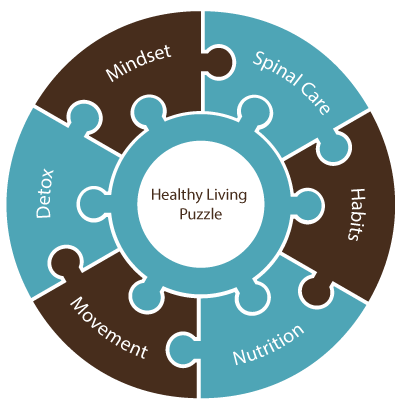
THE SIX MAJOR PIECES OF THE

Healthy Living Puzzle

When all six pieces fit together, your body is free to function, adapt, and thrive the way it was designed to.