Multiple Sclerosis

Multiple sclerosis (MS) is a chronic, potentially debilitating disease that affects the brain, brain stem and spinal cord.

MS affects more than one million people around the world. This disease is unpredictable and varies in severity, from a mild illness in some patients to a permanent disability in others.

Symptoms typically begin between ages 20 and 40, with women being afflicted twice as often as men. The most common symptoms of multiple sclerosis include numbness and tingling in the arms and legs, difficulty walking, impaired balance, muscle weakness, visual disturbances and memory loss.

Your central nervous system contains millions of nerve fibers that carry electrical impulses from your brain and brain stem to almost every tissue, organ, and cell in your body. The degenerative process of MS is called demyelination. This is the destruction of the fatty substance, or myelin, which coats and protects the nerve fibers.


Medical Treatments for Multiple Sclerosis

According to the National Multiple Sclerosis Society, the typical medical treatment for MS includes a variety of Interferon drugs (Avonex®, Rebif® and Betaseron®, Copaxone®, Novantrone® and Tysabri®). For acute relapses, corticosteroids such as Prednisone are used, as well as muscle relaxants, antidepressants, anticonvulsants, central nervous system stimulants and NSAIDS.

Multiple Sclerosis & Physical Trauma

For more than a century, physicians and scientists have unsuccessfully attempted to determine the cause of multiple sclerosis. The textbook, Current Medical Diagnosis and Treatments, states that trauma may trigger or precede exacerbations.

Can Upper Cervical Spinal Care Help Multiple Sclerosis?

The most common misperception about Upper Cervical care is that it only helps back and neck pain. Although our doctors can certainly help those who come to us seeking relief from back and neck pain, we help patients suffering from a variety of conditions, including MS. Healthy Living Spinal Care has helped thousands of patients restore their health through Upper Cervical Spinal Care.

Upper Cervical Spinal Care & Multiple Sclerosis

A recent case study by Dr. Erin Elster, an Upper Cervical chiropractor, showed that the correction of upper neck injuries may reverse the progression of multiple sclerosis. Elster’s report published in The Journal of Vertebral Subluxation Research stated, “According to medical research, head and neck injuries have long been considered a cause of multiple sclerosis, but this is the first research to show that the correction of those injuries can have dramatic effects on reversing MS.” The same, promising results Dr. Elster had with MS patients are now being duplicated in Upper Cervical chiropractic clinics across the country.

Healthy Living

6 Videos
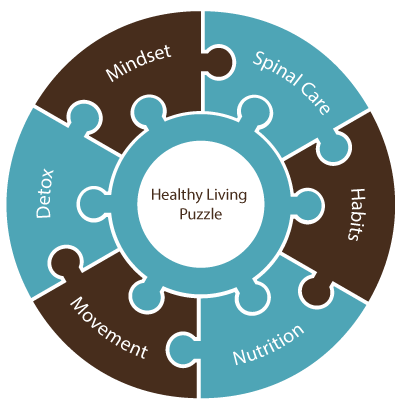
THE SIX MAJOR PIECES OF THE

Healthy Living Puzzle

When all six pieces fit together, your body is free to function, adapt, and thrive the way it was designed to.