The nervous system is a very complex communication network designed to control and coordinate the body’s vital functions.
One of those functions is to control the respiratory system and lungs. Consider that you can climb a flight of stairs, run, swim, or ride a bike without even thinking about your breathing. That’s because the respiratory center, housed in the brain stem, is responsible for adjusting the rate of breathing to the demands of the body so that proper oxygen and carbon dioxide levels remain unchanged even during strenuous exercise.
Asthma involves both the lungs and the immune system and has become the most common and costly illness in the United States. An estimated 17 million Americans suffer from asthma at an annual cost of over $13 billion. Asthma accounts for more hospitalizations than any other childhood disease, and children suffering from asthma miss more than 10 million days of school every year. Nearly 5000 people die from causes related to asthma each year, and it is one of the many diseases with an increasing death rate.
During an asthma attack, the airways become narrow and obstructed due to a combination of muscle spasm, inflammation, and excess mucus production. The symptoms, which vary among sufferers, include wheezing, shortness of breath, chest tightness and chronic coughing. Asthma attacks can be triggered by any condition that causes inflammation in the airways. These triggers include irritants like the following: dust mites, animal dander, pollen, mold, pollution, smoke, exercise, cold air, or intense emotions.

Many asthma sufferers also have allergies, which, although related, differ from asthma. However, allergens like pollen, mold, animal dander, and dust mites can make asthma symptoms worse by increasing inflammation in the airways.
While the cause of asthma is still unknown, many researchers believe asthma is caused by a disturbance of the respiratory center within the brain stem. In fact, one study suggests this is the “common denominator” and basic underlying mechanism in all varieties of asthma. This disturbance is believed to cause the muscles of the airway to contract thus restricting the flow of air in the lungs.
Asthma symptoms can flare when the airways become irritated or inflamed. Common triggers include dust mites, pet dander, pollen, mold, smoke, air pollution, respiratory infections, exercise, cold air, and strong odors. Triggers vary from person to person.
Yes. For many people, allergens like pollen, mold, pet dander, or dust mites can increase airway irritation and inflammation, which may worsen asthma symptoms or make flare-ups more likely.
Asthma is a complex condition and the exact cause isn’t fully understood. It’s often influenced by a combination of genetics, immune responses, and environmental exposures. If you have asthma symptoms, it’s important to work with your medical provider for diagnosis and ongoing management.
Chiropractic care does not treat asthma or allergies directly, but some patients pursue it as a supportive approach to improve overall function and reduce physical stress patterns in the body. At Healthy Living Hickory, we focus on spinal function, posture, breathing mechanics, and lifestyle factors that may influence how you feel day to day. Results vary, and chiropractic care should be considered complementary to appropriate medical care.
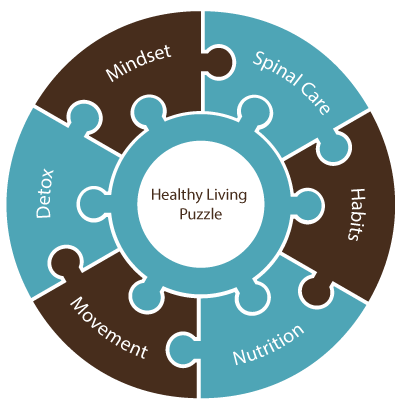
We take a whole-person approach built around the “Six Major Pieces of the Healthy Living Puzzle”: mindset, spinal care, habits, nutrition, movement, and detox. Practically, this means we provide chiropractic care focused on spinal function and also offer guidance on lifestyle habits— such as nutrition, movement, sleep, and stress management—that may support overall wellness.
No. Chiropractic care does not cure asthma, and asthma should be managed under the guidance of a qualified medical provider. Some patients choose chiropractic care as an additional, conservative option to support overall health and wellness alongside their medical plan.
When all six pieces fit together, your body is free to function, adapt, and thrive the way it was designed to.
We help you develop a positive mindset and the beliefs you need to create lasting change in your life.
We help restore proper communication between your brain and body through Upper Cervical Care.
Healthy habits create long-term results. Small daily actions can have a powerful impact on your health.
Good nutrition provides the foundation your body needs to function, heal, and thrive.
Movement is essential for improving strength, flexibility, circulation, and overall health.