According to the American Academy of Pediatrics, over five million children suffer from chronic ear infections, resulting in 30 million visits to doctors’ offices and over 10 million prescriptions of antibiotics each year. Half of all antibiotics prescribed for preschoolers are for ear infections.

Symptoms of ear infections may include mild discomfort, irritability, fever or severe pain. Almost 50% of all children will have at least one middle ear infection before they’re a year old, and two-thirds of them will have had an ear infection by age three. Frequent ear infections are the second leading cause for surgery in children under two, right behind circumcision.

Antibiotics, Tubes & Ear Infections

According to the Center of Disease Control (CDC), the American Academy of Family Physicians, and the American Academy of Pediatrics, ear infections with fluid build-up (otitis media with effusion) do not require the use of antibiotics. In fact, one study with 3,600 children found that children who did not take antibiotics had a higher rate of recovery than those who did take antibiotics. Despite such clear guidelines, many pediatricians continue to prescribe unnecessary antibiotics for the treatment of ear infections. This error contributes to the development of antibiotic resistant bacteria.


Anatomy of the Inner Ear

The Eustachian tube acts as a valve that connects the back of the nose to the middle ear and allows air to enter behind the sealed eardrum. This muscular tube normally opens and closes to equalize pressure changes in the outside air. An example would be the “popping” sound people describe when going up or down a mountain or flying in an airplane. The ability of the inner ear to open or “pop” is essential in preventing ear infections or other inner ear disorders. The only muscle responsible for opening the Eustachian tube (tensor veli palatini) is directly controlled by nerve fibers at the top of the neck.

Upper Cervical Spinal Care & Ear Infections

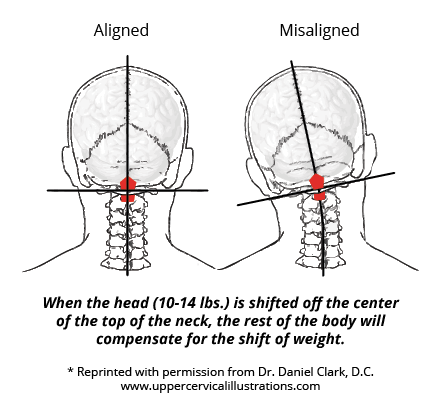
Misalignments at the head/neck relationship, often caused by birth trauma, have been shown to affect the ability of the Eustachian tube to open and close correctly. This provides an environment for bacteria to thrive and multiply, creating an ideal setting for chronic inner ear infections.

A New Approach to Ear Infections – Healthy Living Spinal Care

Before taking another round of antibiotics or undergoing a drastic procedure like surgery, consider an evaluation at Healthy Living Spinal Care. Upper Cervical Spinal Care is a viable, non-invasive way to help your child with chronic ear infections. One study shows that after receiving a series of Upper Cervical corrections, 80% of the children were free of ear infections.

Healthy Living

6 Videos
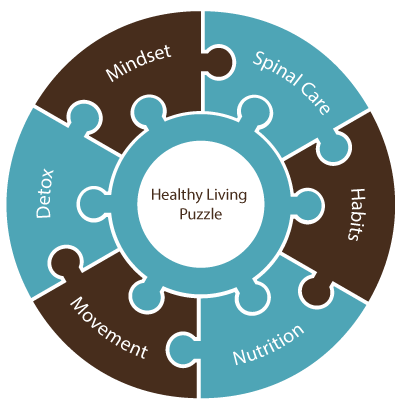
THE SIX MAJOR PIECES OF THE

Healthy Living Puzzle

When all six pieces fit together, your body is free to function, adapt, and thrive the way it was designed to.