Millions of Americans swallow pills daily hoping they will work some kind of magic and make their lives easier, less stressful.
Maybe this pill, that white powder, or these capsules will make them feel better once they dissolve in their stomach, enter the blood stream, and travel to the brain. They have put their faith in medication, hoping it will relieve their present state of disease.
Antidepressant pharmaceuticals are a multi-billon dollar industry. Every media is bombarded by ads for these drugs. As you watch these commercials, note the careful language they use in suggesting that depression “may” be caused by a chemical imbalance in the brain. They go on to tell you how the medication “can correct” this biochemical imbalance. What many Americans don’t know is that there has never been definitive research that proves depression is caused by a chemical imbalance.
Inability to feel pleasure of any kind, loss of interest in most everything, self-hatred or guilt, inability to concentrate or do the simplest things, sleeping all the time or not being able to sleep at all, dramatic weight gain or loss, and suicidal thoughts or actions.
Of the 17 million children worldwide taking prescribed psychiatric drugs, 10 million are in the United States. These drugs include addictive stimulants, antidepressants and other psychotropic (mind-altering) drugs for educational and behavioral problems.
In 2003, the FDA approved Prozac® for treating depression to children under eighteen. Then reports of young people attempting or committing suicide while using the drug became too numerous to ignore. The following year, the FDA reviewed 24 studies and concluded that the drugs in question doubled the risk for suicidal behavior.
By 2004, the FDA ordered that the most serious alerts, called “black-box warnings,” be added to all antidepressant drug labels. This warning clearly states that antidepressants raise the risk of suicidal thoughts and hostile behavior in children and adolescents. In spite of the evidence and clear warnings, preschoolers are now the fastest growing age group taking antidepressants.

David Healy, in Let Them Eat Prozac® (NYU Press, 2004), calls it “a creation of depression on so extraordinary and unwarranted a scale as to raise questions about whether pharmaceutical and other health care companies are more wedded to making profits from health than contributing to it”.
The most common misperception about Upper Cervical care is that it only helps back and neck pain. Although our doctors can certainly help those who come to us seeking relief from back and neck pain, we help patients suffering from a variety of conditions, including depression. Healthy Living Spinal Care has helped thousands of patients restore their health through Upper Cervical Spinal Care.
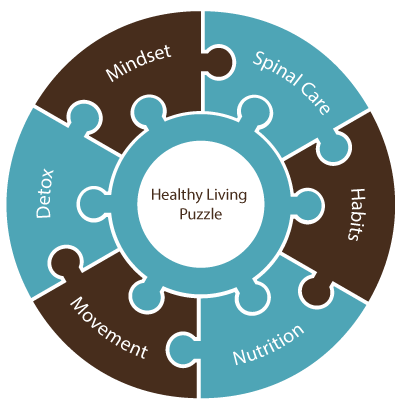
When all six pieces fit together, your body is free to function, adapt, and thrive the way it was designed to.
We help you develop a positive mindset and the beliefs you need to create lasting change in your life.
We help restore proper communication between your brain and body through Upper Cervical Care.
Healthy habits create long-term results. Small daily actions can have a powerful impact on your health.
Good nutrition provides the foundation your body needs to function, heal, and thrive.
Movement is essential for improving strength, flexibility, circulation, and overall health.