
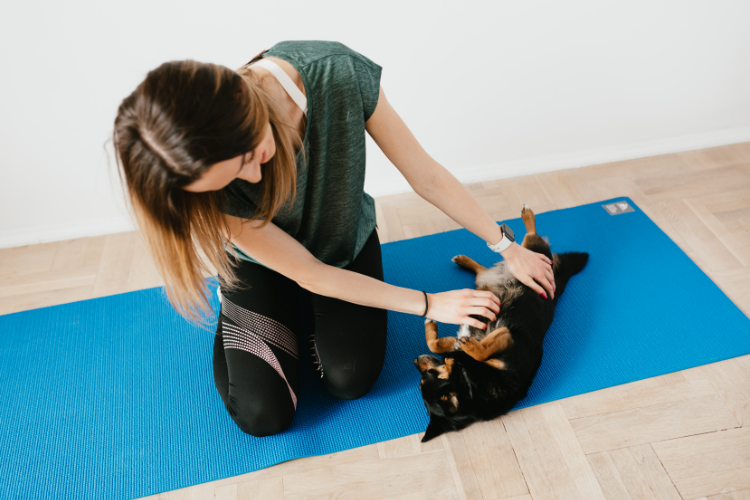
Taking care of animals is physical in ways people don’t always appreciate until their neck or back starts complaining. Walking a strong dog that lunges at squirrels, lifting an aging pet into the car, bending to refill bowls, carrying crates, leaning over grooming tables, kneeling on the floor for cleanup—none of it sounds dramatic on its own, but together it creates a steady stream of physical stress.
For pet owners, vet staff, groomers, trainers, and anyone who spends a lot of time handling animals, posture matters. And one area that quietly influences more than people realize is the upper cervical spine, the top of the neck where the head meets the rest of the spine.
Healthy Living Spinal Care in Hickory, NC serves individuals and families from Lenoir, Conover, Morganton, and surrounding communities who are looking more closely at how spinal alignment affects daily life. For people who care for animals regularly, upper cervical awareness can be one useful piece of reducing strain and moving more comfortably.
Why Pet Care Is Hard on the Body
Animals rarely move in the neat, predictable ways humans do. Even calm pets introduce sudden shifts and awkward angles into your day.
You might be:
- Leaning down repeatedly to clip a leash or pick up waste
- Bracing your body while walking a dog that pulls
- Lifting a pet into the car, onto the bed, or onto an exam or grooming table
- Carrying food bags, litter, crates, or carriers
- Twisting while handling a squirming animal
- Spending long stretches bent over during feeding, bathing, or grooming
These actions load the body unevenly. Often, the neck and shoulders brace first—even when it seems like the work is happening lower down.
That matters because tension in the upper body doesn’t just stay in the upper body. It can change the way the head sits over the spine, which then affects posture further down the chain.
The Upper Cervical Spine and Everyday Animal Handling

The upper cervical spine includes the first two vertebrae in the neck, known as C1 (atlas) and C2 (axis). This area supports the head and helps determine how the rest of the spine stacks beneath it. When the head is centered well over the shoulders, the body can distribute effort more efficiently. When it isn’t, muscles in the neck, shoulders, and upper back often work harder than they should.
In pet care situations, this often shows up when:
- A dog pulls suddenly and the head and shoulders jolt forward
- Someone bends repeatedly with the neck dropped toward the floor
- A pet is carried off to one side instead of close to the center of the body
- Grooming or cleaning tasks keep the head pushed forward for too long
Over time, these repetitive patterns may contribute to:
- Neck stiffness after walking or handling animals
- Tension across the shoulders
- Headaches that build after a physically busy day
- A sense of fatigue in the upper back and neck
The challenge is that pet-related strain often feels “normal” because it’s tied to routines people don’t think twice about. But small postural habits repeated every day have a way of adding up.
Walking Dogs and the Pulling Problem
Dog walking seems simple until the leash tightens. A dog that pulls, lunges, or changes direction suddenly can create sharp force through the arm, shoulder, and neck. Many people instinctively brace by tightening their shoulders and pushing their head forward.
A few adjustments can help:
- Hold the leash in a way that keeps your elbows closer to your sides instead of reaching out in front of you
- Keep your head more centered over your shoulders rather than jutting your chin forward while watching the dog
- If safe, use training tools or methods that reduce pulling rather than letting your body absorb that force day after day
- Alternate hands or walking sides when practical to avoid always loading one side of the body
This doesn’t eliminate every jerk or sudden movement, but it can reduce how much of the force travels straight into the neck and upper back.
Lifting Pets Without Loading the Neck
Lifting an animal—especially an older dog or a resistant cat—can be deceptively awkward. Many people bend from the waist, reach forward, and pull the animal up with the arms while the head drops toward the floor. That combination tends to overwork the upper neck and shoulders.
A better approach is to:
- Get as close to the pet as possible before lifting
- Bend through the hips and knees rather than collapsing through the neck and upper back
- Keep the pet close to your body instead of reaching outward
- Avoid twisting while holding the animal; turn your feet and whole body instead
The less you ask your neck to stabilize a forward-reaching lift, the better.
Grooming, Feeding, and Repetitive Low-Level Strain
Not all pet care strain comes from sudden movement. A lot of it comes from repetition. Filling bowls, brushing coats, scooping litter, cleaning cages, or trimming nails all tend to put people in forward-bent positions.
This is where upper cervical awareness becomes practical. A few simple reminders can go a long way:
- Bring tasks higher when possible rather than always working low to the floor
- Pause occasionally to bring the head back over the shoulders
- Use stools, mats, or platforms that reduce the need to hunch
- Break up repetitive tasks instead of doing them all in one prolonged posture
These changes are small, but when repeated daily, they can help reduce accumulated strain in the neck and shoulders.
Where Upper Cervical Care Fits In
Upper cervical-focused chiropractic care is one approach that pays particular attention to the alignment between the head and upper neck. For some people, especially those with recurring neck or shoulder tightness from repetitive daily activity, it becomes part of a broader strategy that includes better movement habits, more posture awareness, and recovery after physically demanding routines.
Healthy Living Spinal Care in Hickory, NC is part of that broader conversation for pet owners and animal professionals in Lenoir, Conover, Morganton, and nearby areas who want to think more intentionally about how everyday animal care affects their spine and posture.
Medical Disclaimer
This article is for informational purposes only and does not constitute medical, chiropractic, or therapeutic advice. It is not intended to diagnose, treat, cure, or prevent any condition. Always consult with a licensed healthcare provider, such as a chiropractor or physician, before beginning, changing, or combining any health, posture, or spine-related program.